
Unlocking the Power of Your Legacy Records
A Revolution is well underway, do not be left behind.
Today, we are transforming the way we operate with machine learning, generative AI, IoT, and advanced data analytics. These technologies depend on data, and businesses today are generating more of it than ever before, yet by itself, data has limited value, just look at your legacy records.
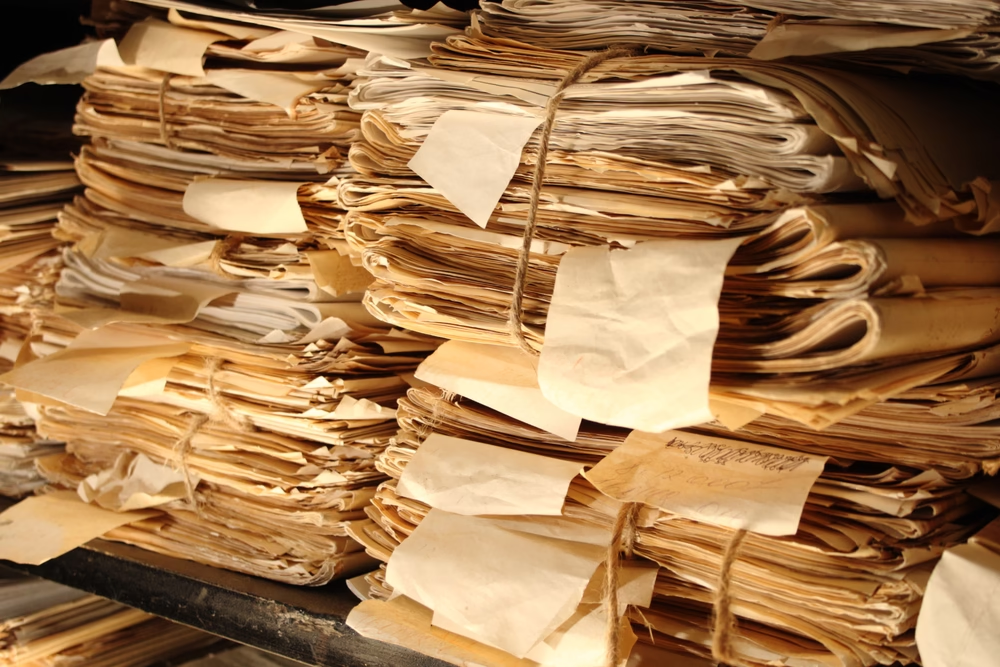
These records contain a treasure trove of information, but they are often stored in outdated formats—paper files, tape drives, floppy disks, or microforms, making them inaccessible to modern digital tools. Without integration, many organizations remain stuck in the past, unable to fully leverage the power of this information.
Digitizing legacy records provides historical context, you to recognize patterns, predict outcomes, and offer customized recommendations based on a company’s unique operational history. Organizations that unlock this data gain a significant advantage over competitors still relying on fragmented or incomplete information.
Understanding the Value of Legacy Records
Legacy records contain years, even decades of operational data, client histories, compliance documentation, and strategic insights. Analyzing this information can shed light on performance trends, risk factors, and evolving customer behaviors. Without access to this knowledge, leaders lack the historical context needed to make well informed decisions.
Digitization ensures that valuable records are Preserved, Fully Searchable, and Integrated into modern information management systems. Instead of being stored in file cabinets, offsite warehouses, or outdated databases, these records become living assets that can be analyzed, indexed, and used to optimize operations.
How Digitized Records Fuel Industry Technologies
AI and large language models are notorious data hogs, requiring vast amounts of high-quality data to function effectively. That is because the more historical data they train on, the more accurate and capable they become.
For example, by analyzing machine data over time, AI algorithms can predict failure before machine parts break down. IoT systems can send automated alerts to technicians and schedule appointments for repairs during off-hours, minimizing downtime.
Legacy data also makes it easier for AI algorithms to spot bottlenecks and inefficient processes. Generative AI systems can suggest changes to improve throughput, modeling expected results against past operational data.
Legacy records also play a crucial role in compliance and governance. By digitizing older records, organizations can ensure proper document retention, automate audit trails, and protect sensitive information with advanced security protocols.
Best Practices for Digitizing Legacy Records
To put your past records to work in modern systems, you need a sound implementation strategy. Here are seven essential steps to help you get started.
1. Assess and Prioritize
Trying to digitize everything at once is overwhelming and unnecessary. Instead, review your records and start with those that offer the most value for improving your operations. Seeing early results will encourage you to keep going and help get others within the organization excited about the initiative.
2. Choose the Right Technology
Invest in digital storage solutions that allow your digitized records to be easily accessible. Modern digital information management tools are designed to work seamlessly with your existing systems, making it easier for workers to use and speeding their progress to a more efficient future.
3. Enable Metadata and Indexing
Implement robust tagging and indexing systems to facilitate the use of metadata. Categorizing documents by dates, transaction types, locations, and key identifiers allows AI-driven systems to extract insights efficiently.
4. Standardize File Formats
Using widely accepted, long-term formats like PDF, TIFF, and XML ensure compatibility with future technologies and prevents data obsolescence.
5. Implement Version Control
Establish systems to track changes and maintain the integrity of your digitized records over time. That will make it easier for users to find the information they need and help with data governance and auditing.
6. Set up Backup and Disaster Recovery
A comprehensive disaster recovery plan is essential for safeguarding your valuable data from damage or theft.
7. Partner with the Right Experts
Transitioning from legacy systems to modern digital platforms requires expertise in compliance, security, and process optimization. Partnering with experienced records management providers ensures a smooth, efficient, and compliant transition.
Why let your valuable legacy data sit idle? By making it accessible, usable, and secure, you will unlock the full potential of industry technologies. Gaining an early foothold in the digital world enables you to optimize operations, save money, and release innovative products ahead of competitors.
Once you realize the benefits of advanced technologies, you will never look back. Do not let valuable historical data sit idle, transform it into a strategic asset that drives innovation and growth.


Get Started Today!

Thomas Ripple
New Business Development Executive that Leads, Educates & Motivates with Passion, Principal & Purpose.


